Dental implants are one of the most significant investments a patient can make in their oral health. At our Churchville, Maryland practice, one of the most common questions we hear is: How long will my implants actually last? The short answer is that a well-placed, well-maintained dental implant can last a lifetime. The longer answer involves understanding what affects implant longevity and what you can do to protect your investment.
What Is a Dental Implant and Why Does It Last So Long?
A dental implant is a small titanium post surgically placed into the jawbone to replace the root of a missing tooth. Over three to six months, the implant undergoes osseointegration — the titanium fuses directly with the surrounding bone tissue. This biological integration is what makes implants fundamentally different from dentures or bridges. The implant post has a documented success rate of 95 to 98 percent at 10 years and can remain functional for 25 years or more — often for the patient's entire lifetime.
How Long Does Each Component Last?
A dental implant system has three components: the implant post (titanium screw fused to jawbone, lasting 25+ years or lifetime), the abutment (connector between post and crown, lasting 10–25 years), and the crown (visible porcelain or zirconia tooth, lasting 10–20 years). The implant post is the most durable component and rarely needs replacement. The crown absorbs the full force of chewing and may need replacement after 10 to 20 years depending on material, bite force, and oral hygiene.
What Factors Affect Dental Implant Longevity?
Oral hygiene is the single most important factor. While implants cannot develop cavities, the surrounding gum tissue and bone can become infected — a condition called peri-implantitis, the leading cause of implant failure. Patients who maintain excellent oral hygiene and attend regular checkups have implant survival rates above 97 percent at 10 years. Smoking significantly increases failure risk — smokers have failure rates two to three times higher than non-smokers. Bone density, bite force, grinding habits, and overall health conditions such as uncontrolled diabetes also affect longevity.
Dental Implants vs. Other Tooth Replacement Options
Dental implants last 25+ years compared to fixed dental bridges (10–15 years), full dentures (5–10 years before refit), and partial dentures (5–10 years). Beyond longevity, implants are the only tooth replacement option that preserves the jawbone. When a tooth is lost, the bone begins to resorb within months, changing facial shape over time. An implant mimics the function of a natural tooth root, stimulating the bone and preventing this deterioration.
The Dental Implant Process at Churchville Dental Care
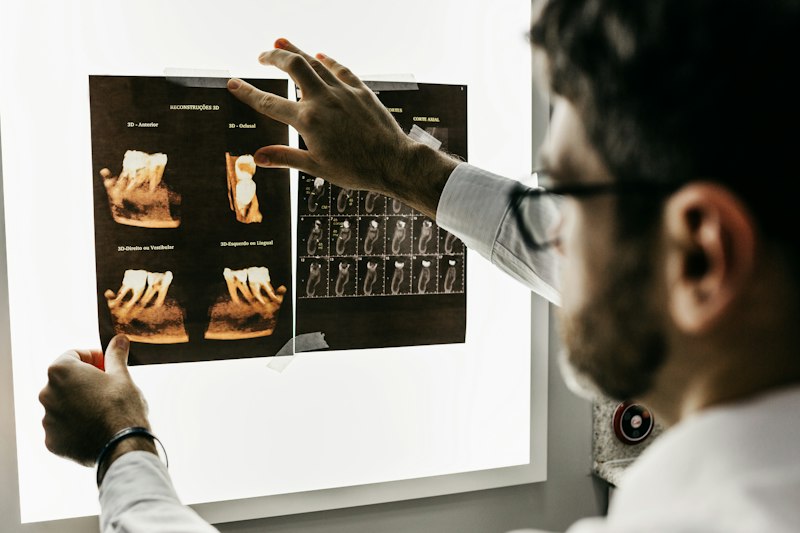
For patients in Churchville, Bel Air, Aberdeen, and Harford County, the implant process at our practice typically unfolds over three to six months. It begins with a comprehensive evaluation including digital X-rays. After surgical placement of the titanium post, the implant integrates with your jawbone over three to six months. Once integration is confirmed, we fabricate your custom permanent crown. Most patients are surprised by how comfortable the procedure is — local anesthesia ensures no pain during placement, and most patients manage post-operative discomfort with over-the-counter pain relievers.
How to Make Your Implants Last as Long as Possible
Brush twice daily with a soft-bristle toothbrush, floss daily using implant-specific floss or a water flosser, attend professional cleanings and checkups every six months, wear a nightguard if you grind your teeth, and avoid using your teeth as tools. With these habits in place, your implant post has every reason to last the rest of your life. The crown may eventually need replacement after a decade or two — but this is a straightforward procedure that does not require any surgery.
Frequently Asked Questions
Are dental implants worth the cost in Maryland?
For most patients, yes. While implants have a higher upfront cost than bridges or dentures, their 25+ year lifespan and bone-preserving benefits make them the most cost-effective long-term solution. A bridge typically needs replacement every 10–15 years and requires grinding down healthy adjacent teeth. Over a lifetime, implants often cost less than repeated bridge replacements.
Do dental implants hurt?
The placement procedure is performed under local anesthesia and is generally well-tolerated. Post-operative discomfort is typically mild to moderate and resolves within a few days. Most patients return to normal activities the day after surgery.
Can dental implants fail?
Yes, though it is uncommon. The most frequent causes of implant failure are peri-implantitis (infection around the implant), smoking, and insufficient bone density. With proper patient selection, placement technique, and aftercare, failure rates are below 5 percent at 10 years.
How much do dental implants cost near Bel Air or Churchville, MD?
A single implant at Churchville Dental Care typically ranges from $3,000 to $5,000 including the post, abutment, and crown. We offer flexible financing options and accept most major PPO insurance plans. Call (410) 838-1133 for a personalized estimate.
How long after a tooth extraction can I get an implant?
Most patients can receive an implant 3 to 6 months after an extraction, once the socket has healed. In some cases, an immediate implant can be placed at the same time as the extraction. We will assess your specific situation and recommend the best timing during your consultation.