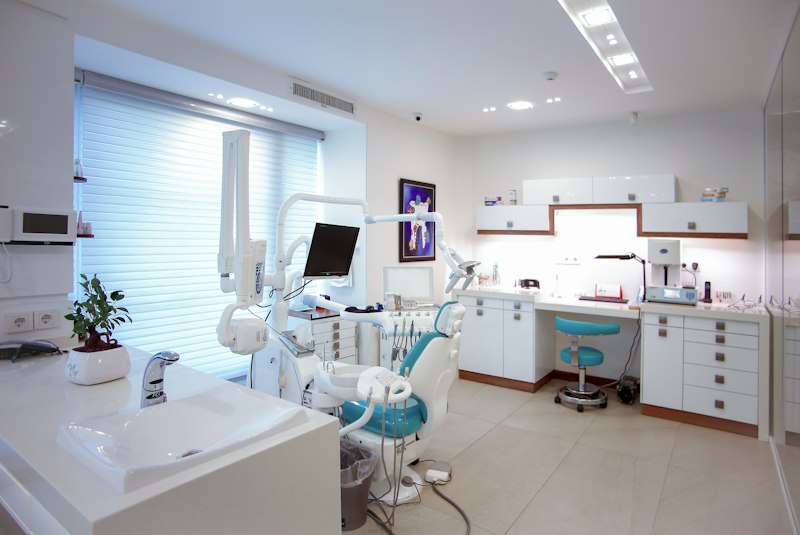
If the thought of sitting in a dental chair makes your heart race, you are not alone. Studies estimate that 36% of Americans experience dental anxiety, and approximately 12% have dental phobia severe enough to avoid the dentist entirely. At Churchville Dental Care, we see patients with dental anxiety every day — and we have built our practice around making every visit as comfortable and stress-free as possible.
Why Dental Anxiety Is So Common
Dental anxiety often stems from a combination of factors: a previous painful or traumatic dental experience, fear of needles or drills, feeling out of control in the dental chair, embarrassment about the condition of your teeth, or simply the unknown. For many patients, anxiety developed in childhood and has persisted into adulthood. Understanding the source of your anxiety is the first step toward overcoming it.
8 Proven Strategies for Managing Dental Anxiety
These evidence-based techniques can significantly reduce anxiety before and during dental appointments:
- Tell your dentist about your anxiety before the appointment — a good dentist will adjust their approach accordingly
- Establish a stop signal (like raising your hand) so you feel in control during treatment
- Schedule morning appointments when you are less likely to have built up anxiety throughout the day
- Bring headphones and listen to music, a podcast, or an audiobook during treatment
- Practice deep breathing: inhale for 4 counts, hold for 4, exhale for 4
- Ask your dentist to explain each step before doing it — the unknown is often more frightening than the reality
- Bring a trusted friend or family member to your appointment for support
- Consider asking about nitrous oxide (laughing gas) for mild to moderate anxiety
How Churchville Dental Care Supports Anxious Patients
Our team at Churchville Dental Care is trained to recognize and respond to dental anxiety. We take extra time with anxious patients to explain procedures, answer questions, and ensure you feel comfortable before we begin. We never rush. We always check in during treatment. We offer nitrous oxide (laughing gas) for patients who want additional relaxation. And we celebrate patients who overcome their anxiety to prioritize their oral health — because we know how hard it can be.
The Danger of Avoiding the Dentist
Dental anxiety has real consequences. Patients who avoid the dentist due to fear consistently develop more serious — and more expensive — dental problems. A small cavity that could be treated with a $200 filling becomes a root canal and crown costing $2,000+. Gum disease that could be treated with a $400 deep cleaning progresses to tooth loss requiring $4,000+ in implants. The irony of dental anxiety is that avoiding the dentist makes future visits more likely to involve the very procedures you fear most. Regular preventive care is the best way to ensure your dental visits remain simple and comfortable.
When to Consider Sedation Dentistry
For patients with severe dental anxiety or phobia, sedation dentistry may be appropriate. Nitrous oxide (laughing gas) is a mild sedative that reduces anxiety while keeping you fully conscious and responsive. It wears off within minutes after the mask is removed. Oral sedation (a prescription anti-anxiety medication taken before the appointment) provides deeper relaxation. IV sedation is available for patients who need more significant intervention. Discuss your anxiety level with our team and we will recommend the appropriate level of support for your needs.
Frequently Asked Questions
What is the difference between dental anxiety and dental phobia?
Dental anxiety is a general feeling of unease or nervousness about dental visits. Dental phobia is a more severe, irrational fear that causes patients to avoid the dentist entirely, even when they are in pain. Both are treatable with the right approach.
Does Churchville Dental Care offer nitrous oxide?
Yes. We offer nitrous oxide (laughing gas) for patients who experience anxiety during dental treatment. Nitrous oxide is safe, effective, and wears off within minutes after the mask is removed, so you can drive yourself home.
How do I tell my dentist I have dental anxiety?
Simply say it directly: 'I have dental anxiety and I want you to know before we start.' A good dentist will appreciate your honesty and adjust their approach. At Churchville Dental Care, we welcome this conversation and take it seriously.
Will my dentist judge me for not having been in a long time?
No. Dentists understand that anxiety, cost, and life circumstances keep many patients away. Our goal is to help you get back on track, not to make you feel guilty. We see patients who haven't been to the dentist in 5, 10, or even 20 years — and we treat them with the same care and respect as patients who come in every 6 months.